Replacing a Business-Critical System? What Senior Leaders Need to Govern Beyond the Technology
Why technology readiness is only one part of successful transformation and what leaders should consider across data, integration, people, processes and operations
A system replacement looks deceptively simple on a programme plan.
There is a legacy platform. There is a target platform. There is a migration. There is a go-live date. Around these sit familiar workstreams: data, integration, testing, training and change.
It creates the impression that the programme has a clearly defined boundary.
In reality, the moment an organisation decides to replace a business-critical system, it starts changing something much larger.
It starts changing an operating ecosystem.
That distinction matters because some of the greatest transformation risks do not exist inside the platform being replaced. They exist in the connections between the platform and everything around it.
Data
Integrations
Business processes
People
Financial and operational cycles
Reporting
Third-party systems
Support teams
Governance
Dependencies accumulated over years of operation
The strategic question for senior leaders therefore should not simply be:
Is the new system ready?
It should be:
Is the operating ecosystem ready for the change?
1. The Programme Boundary is Rarely the Transformation Boundary
A business case might describe an ERP replacement, CRM implementation, cloud migration or core platform modernisation. But the existing platform rarely operates in isolation.
Information enters from somewhere. It is transformed. Other systems consume it. People use it to make decisions. Business processes depend on it. Reports are generated from it. Third parties interact with it. Financial transactions may depend on it.
Over time, organisations also develop spreadsheets, manual checks, workarounds and informal processes around the technology.
This means that replacing one system can change dozens of things that were never described as part of the system replacement.
The platform may be at the centre of the programme. The ecosystem determines whether the transformation works.
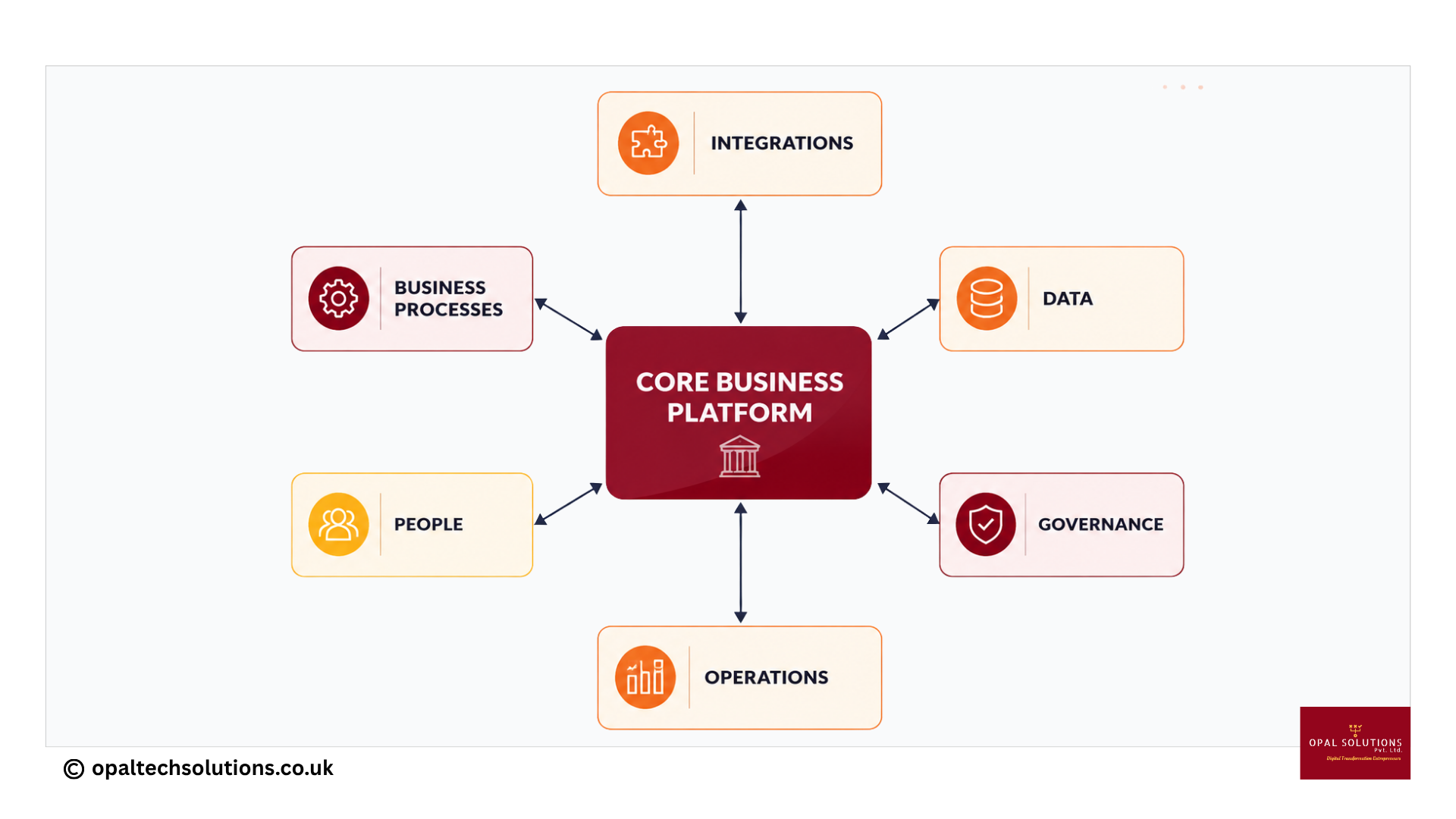
Figure 1. A change to the core platform creates dependencies across the wider operating ecosystem.
2. Discovery is Often Where the Real Programme Appears
This is one of the most important lessons from complex transformation delivery: the programme you approve is not always the programme you discover.
Once detailed discovery begins, teams frequently uncover:
Interfaces that were poorly documented
Data dependencies across multiple systems
Manual processes outside the core platform
Reports that have become operationally critical
Different teams performing the same process differently
Business rules embedded in legacy technology
Spreadsheets filling gaps between systems
Third-party dependencies
Operational cycles that cannot simply be interrupted
None of these necessarily indicates poor management. They are often the consequence of systems and processes evolving over many years. But they change the transformation risk profile.
Discovery should therefore not merely ask:
What functionality does the existing system provide?
It should ask:
How does the organisation actually operate around this system?
3. Changing the Platform Changes the Information Flowing Through the Organisation
Data migration is sometimes treated as moving information from System A to System B. That is rarely sufficient. The more important question is whether the organisation can trust the information after it moves.
On one complex transformation programme delivered by Opal Solutions, data assurance was designed from micro to macro. Individual records were validated, aggregate totals were reconciled and information was compared across systems.
A migration can achieve a very high technical success rate and still create operational problems if the business cannot reconcile what it sees.
The programme therefore needs to prove more than whether records migrated. It needs to prove whether the records are correct, totals reconcile, connected systems agree, differences can be explained and users trust the result.
Technical accuracy and business confidence are related, but they are not the same thing.
This is why data assurance cannot be a final migration activity. It needs to operate throughout the transformation lifecycle.
4. Integration is Not a Technical Workstream. It is Part of the Operating Model.
This is where system replacement programmes can become particularly deceptive. The new platform may work perfectly in isolation. The organisation can still fail to operate.
Business processes rarely begin and end inside one application. Customer information may originate elsewhere. Financial transactions may move into another platform. Documents may be stored separately. Third parties may require operational data. Analytics platforms may consume information. Notifications may depend on external services.
A change to the core platform therefore changes the movement of information across the organisation.
In the transformation case study, this became an opportunity to move away from legacy on-premise integration towards an API-led and event-driven architecture using Amazon Web Services. The resulting integration layer connected the core platform with finance and operational systems, supported near real-time information exchange and created a more extensible foundation for future services.
Do not recreate yesterday's integration estate around tomorrow's platform.
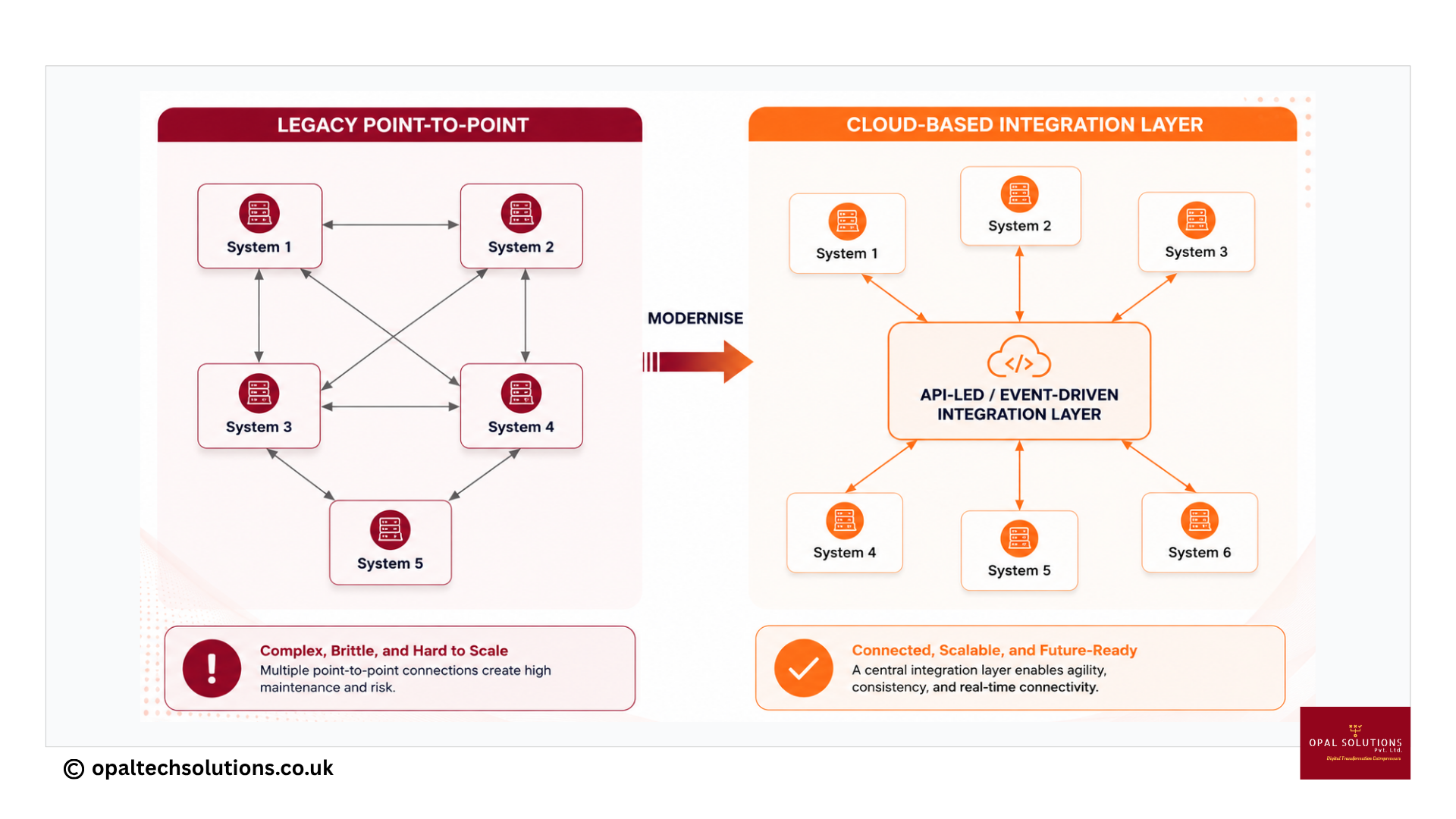
Figure 2. Modernisation should reduce brittle point-to-point dependency and create a reusable integration capability.
The architectural principle matters more than the particular cloud technology. A major system replacement creates a rare opportunity to ask whether the organisation's integration architecture itself needs to change.
5. Changing Systems Changes Processes, Whether the Programme Intends To or Not
Technology encodes ways of working. When the technology changes, assumptions about the process are exposed.
This is where programme teams often discover a difference between the documented process and the process people actually follow.
A process document might describe a clean sequence of activities. Operational reality may include manual checks, unofficial approvals, local team variations, spreadsheet trackers, duplicated data entry, workarounds for system limitations and exceptions known only to experienced users.
If the new platform is designed around the documented process without understanding this operational reality, the programme risks digitising a version of the business that does not actually exist.
The objective should not be to replicate every workaround. Some exist precisely because the legacy technology could not support the organisation effectively.
What should the future process actually be?
That is why business process discovery and technology design need to evolve together.
6. Testing the System is Not the Same as Testing the Business
A system can pass functional testing while the end-to-end business process still fails.
A button works. A screen loads. A transaction saves. But what happens next?
Does the information reach the next system?
Can the next team complete its part of the process?
Does the financial transaction reconcile?
Does reporting reflect the outcome correctly?
Can an unusual case be handled?
Can the journey be completed without a spreadsheet or manual intervention?
In the case study, user acceptance scenarios were derived from real operational workflows rather than testing functionality only in isolation. The intention was to validate how the organisation actually needed to operate.
This changes the purpose of testing from asking whether the technology works to asking whether the organisation can operate successfully on the new ecosystem.
7. Go-Live is an Ecosystem Event
Go-live is often represented as the moment the new platform enters production. Operationally, much more happens.
Users change how they work
Interfaces begin moving live information
Migrated data becomes the operational record
Support teams assume responsibility
Third parties interact with new services
Reports become authoritative
Financial and operational processes continue
Legacy systems may be retired
All of those things need to work together. Operational readiness therefore cannot simply be the final stage of a technology implementation.
In the readiness model used by Opal Solutions, questions span strategy and procurement, integration and architecture, data quality, testing and users, delivery approach, cutover and risk management, and success measurement.
The organisation goes live as one operating environment, not as a collection of programme workstreams.
8. This Changes What Senior Leaders Should Govern
Programme governance often reflects the structure of the delivery team. Data reports on data. Integration reports on integration. Testing reports on testing. Change reports on change. Technology reports on technology.
Every workstream can therefore appear green while a dependency between two workstreams remains unresolved.
Transformation risk often lives in the gaps.
Senior leaders should challenge programmes horizontally as well as vertically.
A Practical Ecosystem Readiness Model
A useful leadership view is to place business outcomes at the centre and test whether all of the surrounding conditions are ready to support them.
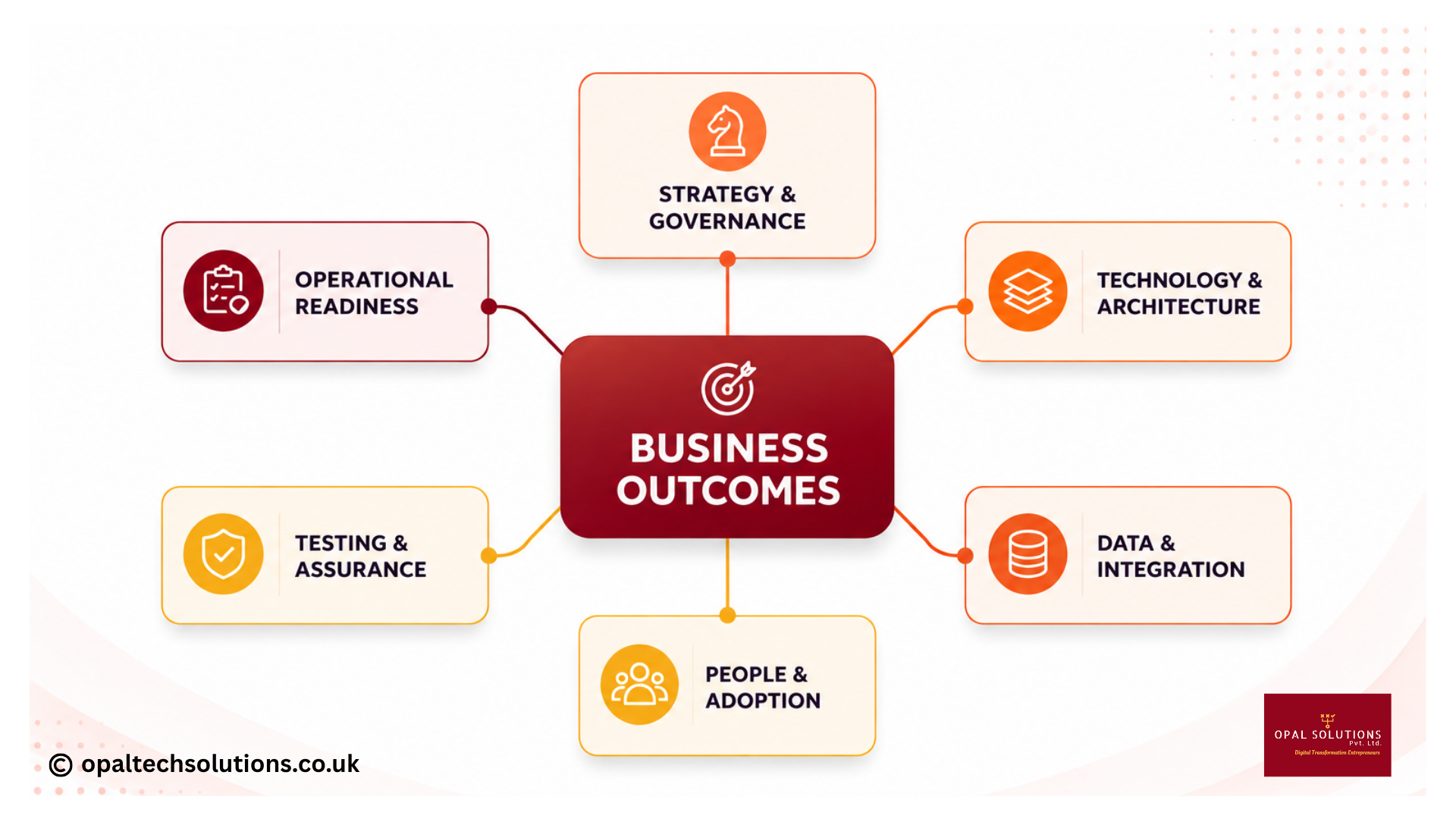
Figure 3. Opal Ecosystem Readiness Model. None of these dimensions is independently sufficient.
The visual message is deliberate: strategy, architecture, data, integration, people, testing and operational readiness must operate as one system of assurance around the intended business outcome.
The Leadership Lesson
The most important lesson from complex transformation is not that technology is unimportant. Technology matters enormously. Architecture matters. Cloud matters. Integration matters. Platform selection matters.
But none operates independently of the organisation around it.
A new platform can be technically excellent and still fail to deliver the expected transformation if the data cannot be trusted, integrations are brittle, processes are poorly understood, users are unprepared or operations cannot absorb the change.
The platform may be what you are replacing. The ecosystem is what you are changing.
Ultimately, that ecosystem is what determines whether the investment delivers the business outcome it was approved to achieve.
Before Your Next Programme Board
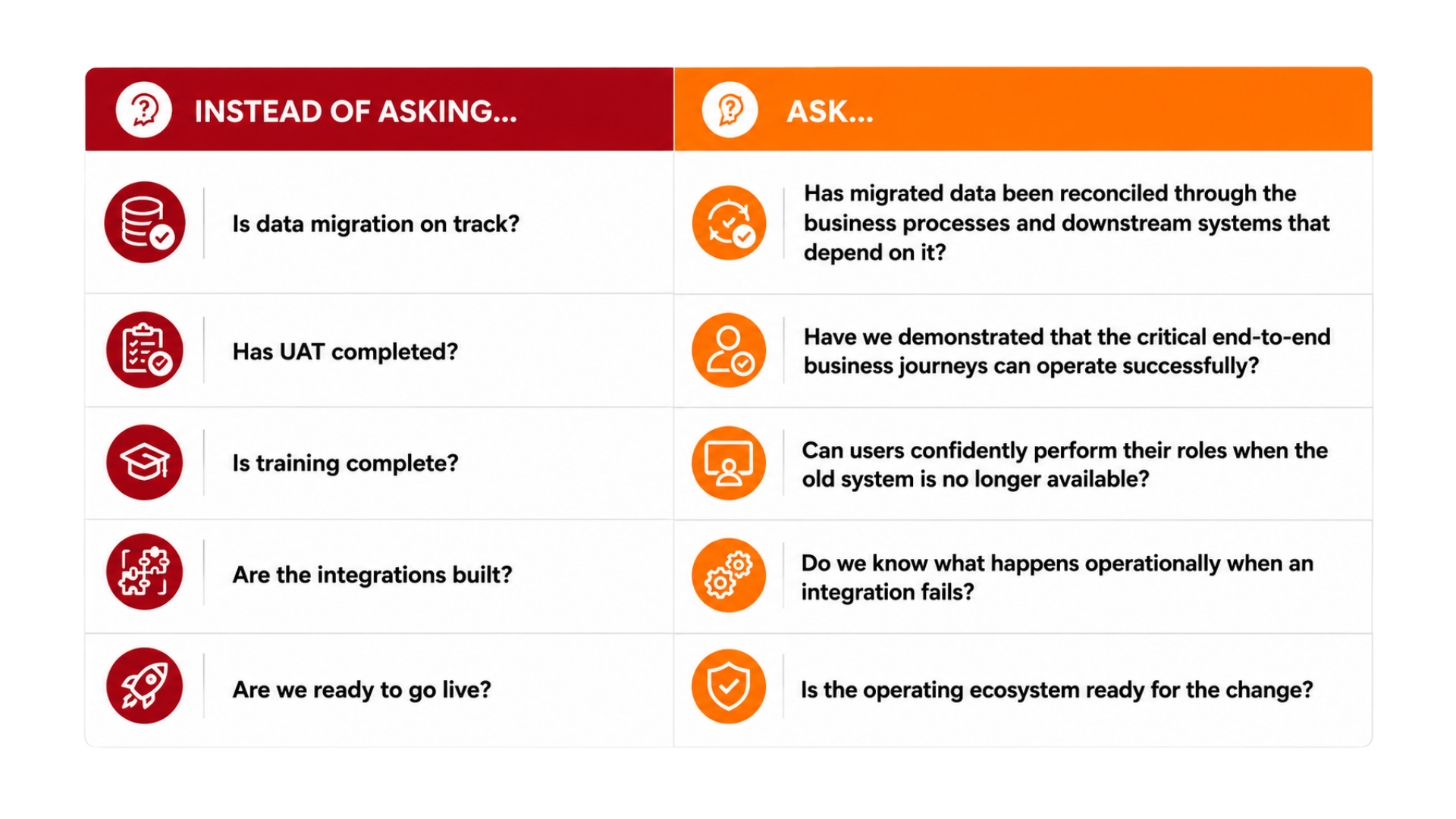
Do not ask only:
Is the new system ready?
Ask:
Is our operating ecosystem ready for the change?
The difference between those two questions can be the difference between a successful technology implementation and a successful business transformation.
Want to Explore the Approach in More Detail?
Opal Solutions has documented how these principles were applied during a complex, multi-domain transformation involving legacy modernisation, cloud integration, iterative data migration, end-to-end testing and phased operational transition.
Download the Enterprise Transformation Case Study to see how the approach was applied in practice.
Use the Transformation Readiness Checklist to assess your own programme across strategy, architecture, data, integration, testing, user readiness, cutover and business outcomes.
Contact Us
📞 +44 (0)20 8287 7368
✉️ [email protected]
Book a 30-Minute Discovery Call with Us Now:
Explore whether your operating ecosystem is ready for your next major system change.
https://opaltechsolutions.co.uk/assess-your-operating-ecosystem

About Opal Solutions
Opal Solutions Private Limited partners with organisations across the public and private sectors to modernise legacy systems, optimise technology investments, and deliver scalable digital platforms. We specialise in Software Consultancy, Legacy Application Modernisation, Cloud Migration, and Enterprise IT & Outsourcing, helping technology leaders balance risk, cost, and long-term value.
We combine architectural thinking with practical delivery experience to help organisations modernise business-critical platforms while maintaining operational continuity, managing transformation risk, and creating a sustainable foundation for future change.

